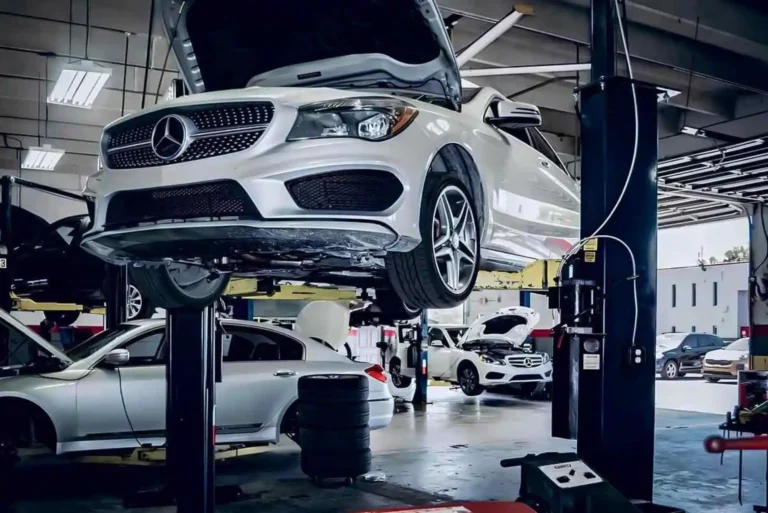
Keeping a vehicle clean is about more than making it look attractive. Regular cleaning protects surfaces, improves comfort, and helps preserve the automobile’s value. The Best Automobile Cleaning Methods for Interior and Exterior combine gentle products, proper techniques, and consistent care. A clean automobile also creates a more pleasant driving environment. Therefore, understanding the right cleaning process can save time and prevent costly surface damage.
Whether you clean your vehicle at home or use professional services, the approach matters. Exterior paint needs different treatment from leather seats or fabric carpets. Likewise, glass requires techniques that prevent streaks and visibility problems. With the right methods, you can maintain a cleaner vehicle without using excessive water or harsh chemicals.
Best Automobile Cleaning Methods for Interior and Exterior
The Best Automobile Cleaning Methods for Interior and Exterior begin with preparation. Choose a shaded location before starting an exterior wash. Direct sunlight can dry cleaning products too quickly. As a result, water spots and soap marks may appear on the paint.
Gather separate microfiber towels for different surfaces. Use dedicated cloths for wheels, glass, paint, dashboards, and interior areas. This prevents dirt from one surface spreading to another. Also, read product instructions before applying any cleaner.
A regular cleaning routine is more effective than occasional intensive cleaning. Remove dirt before it becomes deeply embedded. Similarly, clean spills quickly to reduce stains and unpleasant odors.
Best Automobile Cleaning Methods for Exterior Surfaces
Exterior cleaning should remove dirt without damaging paint or protective coatings. Start by rinsing the vehicle thoroughly. This loosens dust, sand, and other particles from the surface.

Use a car-specific shampoo rather than household dishwashing liquid. Automotive shampoos are designed for vehicle finishes. They can remove grime while being gentler on paint protection.
Wash the Vehicle From Top to Bottom
Begin cleaning from the roof and work downward. Upper panels usually contain less heavy contamination. Lower areas often collect mud, road salt, and greasy residue.
Use a clean microfiber wash mitt and plenty of water. Rinse the mitt frequently during the process. This reduces the chance of dragging abrasive particles across the paint.
After washing, rinse the automobile completely. Do not allow soap to dry on the surface. Then dry the vehicle with a clean microfiber drying towel.
Clean Wheels and Tires Separately
Wheels collect brake dust, road grime, and metallic particles. These contaminants can become difficult to remove when neglected.
Use a suitable wheel cleaner according to the wheel manufacturer’s recommendations. Apply it carefully and use a dedicated wheel brush when appropriate. Never use the same towel for wheels and painted body panels.
Tire cleaning also improves the vehicle’s overall appearance. After cleaning, apply a suitable tire dressing if desired. Avoid excessive product because it can attract additional dirt.
Clean Exterior Glass Properly
Clean windows improve visibility and contribute to safer driving. Use an automotive glass cleaner and a clean microfiber glass towel.
Spray the cleaner onto the cloth when possible. This reduces overspray onto dashboards and other interior surfaces. Wipe the glass using consistent movements.
For stubborn residue, repeat the process instead of using abrasive materials. Clean both the inside and outside of the windows for clearer visibility.
Protecting the Exterior After Cleaning
Cleaning removes contamination, but protection helps maintain the finish. Wax, sealants, and other paint-protection products can provide additional protection.
Choose a product that matches your vehicle and cleaning routine. Follow the manufacturer’s application instructions carefully. Applying too much product rarely improves results.
Regular protection can make future washing easier. Dirt may also have less opportunity to bond strongly with the surface. However, protection should never replace routine cleaning.
Best Automobile Cleaning Methods for Interior Areas
Interior cleaning requires patience because vehicles contain different materials. Plastic, leather, fabric, vinyl, rubber, and electronic surfaces need different care.
Start by removing rubbish and unnecessary items. Then vacuum seats, carpets, floor mats, and storage areas. Pay attention to gaps around seats where dirt often accumulates.
Avoid soaking interior surfaces. Excess moisture can cause staining, unpleasant odors, or damage to sensitive components. Instead, use controlled amounts of suitable cleaning products.
Clean the Dashboard and Plastic Surfaces
Dashboards collect dust, fingerprints, and airborne particles. Use a microfiber cloth to remove loose dust first.
For deeper cleaning, use an interior-safe cleaner. Apply it to the cloth instead of directly spraying sensitive electronic areas. Wipe gently without excessive pressure.
Avoid harsh household chemicals because they may damage finishes. Strong products can cause fading, cracking, or unwanted shine over time.
Clean Leather Seats Carefully
Leather requires gentle cleaning and appropriate conditioning. First, vacuum loose dust and debris from the seats.
Apply a leather-safe cleaner using a soft microfiber cloth. Work on small areas rather than covering the entire seat at once. Wipe away remaining product after cleaning.
A suitable leather conditioner can help maintain flexibility. However, excessive conditioning may leave the surface greasy. Always follow the product instructions.
Clean Fabric Seats and Carpets
Fabric can absorb liquids and develop stains quickly. Begin by vacuuming thoroughly. Then treat visible stains with an appropriate upholstery cleaner.
Do not saturate the seats or carpets. Excess moisture can remain underneath the surface and create odors. Allow cleaned areas to dry completely before closing the vehicle.
For difficult stains, professional upholstery cleaning may provide better results. This is especially useful when contamination has penetrated deeply into fabric fibers.
Cleaning Floor Mats and Hard-to-Reach Areas
Floor mats receive considerable dirt from shoes. Remove them from the vehicle before cleaning. Shake or vacuum them to remove loose debris.
Clean rubber mats using water and a suitable cleaner. Fabric mats may require upholstery-safe products. Let every mat dry fully before placing it back inside.
Use a soft detailing brush around air vents, switches, cup holders, and seat rails. These areas often collect dust that ordinary wiping misses.
Compressed air can help remove debris from narrow spaces. However, use it carefully around delicate electronics and controls.
Removing Odors From the Interior
A clean interior should smell fresh rather than heavily scented. First, identify the source of an unpleasant odor. Food residue, damp carpets, spills, and dirty filters can contribute to bad smells.
Vacuum the interior thoroughly and clean affected surfaces. Check under seats and inside storage compartments for hidden debris.
Avoid simply masking odors with strong air fresheners. Fragrances may hide a problem without removing its source. If moisture or mold-like odors persist, professional inspection may be appropriate.
How Often Should You Clean Your Automobile?
Cleaning frequency depends on driving conditions and vehicle use. A frequently driven automobile may need weekly exterior washing. Interior vacuuming can also be performed regularly.
Deep interior cleaning can be scheduled less frequently. However, spills and stains should always receive immediate attention.
Vehicles exposed to dust, mud, rain, or coastal conditions may require additional care. Seasonal changes can also influence cleaning requirements. Regular maintenance prevents contamination from becoming difficult to remove.
Common Automobile Cleaning Mistakes to Avoid
Using unsuitable products is one of the most common mistakes. Household cleaners may contain ingredients that damage automotive surfaces.
Another mistake is using one cloth for every part of the vehicle. Wheel contamination can contain abrasive particles. Reusing that cloth on paint can create fine scratches.
Cleaning in direct sunlight is another avoidable problem. Products can dry before you properly remove them. Therefore, shade or a cooler time of day is preferable.
Finally, avoid aggressive scrubbing. Persistent stains usually require the correct product and sufficient dwell time. More pressure is not always the best solution.
Professional Cleaning Versus Home Cleaning
Home cleaning can be practical for routine maintenance. It allows vehicle owners to address dirt before it becomes severe. However, professional detailing can be useful for deeper cleaning.
Professional detailers often have specialized equipment and products. They can address heavily contaminated interiors, paint imperfections, and difficult stains.
The best approach may combine both options. Perform basic cleaning regularly and schedule professional detailing when needed. This strategy can maintain appearance while controlling long-term maintenance costs.
Eco-Friendly Automobile Cleaning Practices
Responsible cleaning can reduce water and chemical consumption. Use only the amount of cleaning product required for the task.
Microfiber towels can also be washed and reused. This reduces dependence on disposable cleaning materials. However, keep towels separated according to their intended surfaces.
When washing at home, consider local water-use regulations. Some locations restrict vehicle washing during water shortages. Professional facilities may use systems designed to manage water more efficiently.
Regular vehicle servicing is essential for keeping your automobile safe, reliable, and efficient. Routine maintenance can improve fuel economy, prevent costly repairs, extend vehicle life, and maintain better performance. Regular inspections also help identify minor issues before they become serious, making servicing a smart investment for every vehicle owner.
Frequently Asked Questions
What is the best way to clean a car interior?
Start by removing rubbish and vacuuming all surfaces. Then clean plastic, leather, vinyl, and fabric with suitable products. Always avoid excessive moisture around electronics and upholstery.
How often should I wash my car exterior?
Many vehicles benefit from washing every one to two weeks. However, dusty, muddy, or heavily driven vehicles may require more frequent cleaning.
Can I use dish soap to wash my car?
Automotive car shampoo is generally a better choice. Dishwashing products can be unsuitable for some automotive finishes and protective products.
What is the best cloth for cleaning a car?
High-quality microfiber towels are useful for most automotive cleaning tasks. Use separate towels for paint, wheels, glass, and interior surfaces.
How can I remove bad smells from my car?
Start by finding and removing the odor source. Vacuum thoroughly and clean affected surfaces. Persistent moisture-related odors may require professional attention.
How do I prevent scratches when washing my car?
Rinse the vehicle first to remove loose particles. Use clean microfiber wash equipment and automotive shampoo. Wash gently from top to bottom.
Conclusion
The Best Automobile Cleaning Methods for Interior and Exterior focus on using appropriate products, gentle techniques, and regular maintenance. Exterior washing protects the paint, while proper interior care preserves comfort and cleanliness. Separating cleaning tools by surface also reduces the risk of scratches and material damage.
Related Reading: Top Automobile Maintenance Routines for Better Reliability
Related Reading: How to Prepare Your Automobile for Seasonal Changes — full guide
Related Reading: Best Automobile Features for Comfortable Family Travel — full guide