Introduction
Reliable transportation starts with consistent care. Even a well-built vehicle can develop problems when basic maintenance is ignored. Regular inspections and timely servicing help identify small issues before they become expensive repairs. They can also improve safety, fuel efficiency, driving comfort, and vehicle lifespan.
The Top Automobile Maintenance Routines for Better Reliability focus on simple habits that protect major vehicle systems. These routines include checking fluids, maintaining tires, replacing filters, inspecting brakes, and following the manufacturer’s service schedule. When these tasks become part of your normal driving routine, your vehicle is more likely to remain dependable.
Vehicle reliability is rarely the result of one major repair. Instead, it usually comes from many small maintenance decisions made consistently over time. Understanding what your car needs and when it needs it can make ownership easier and more predictable.
Why Regular Automobile Maintenance Matters
Every vehicle contains numerous components that work together under heat, pressure, friction, and vibration. Engine parts move thousands of times during normal driving. Brakes generate heat, tires experience constant road contact, and fluids gradually lose their effectiveness.
Regular maintenance helps these systems operate within their intended conditions. For example, clean engine oil reduces friction between moving components. Correct tire pressure supports proper handling and reduces unnecessary tire wear. Healthy brake components provide more predictable stopping performance.
The Top Automobile Maintenance Routines for Better Reliability also help reduce unexpected breakdowns. A worn belt, weak battery, damaged hose, or low fluid level may seem minor at first. However, ignoring such problems can eventually leave a vehicle stranded or cause expensive secondary damage.

Follow the Manufacturer’s Maintenance Schedule
One of the most important maintenance habits is following the service schedule provided by the vehicle manufacturer. This schedule is designed around the engine, transmission, drivetrain, and other systems used in a particular model.
Service intervals can vary depending on mileage, time, driving conditions, and vehicle design. Some vehicles require maintenance based on distance traveled, while others also consider months or operating hours.
The owner’s manual should therefore be the primary reference. It normally explains when oil changes, inspections, filter replacements, fluid services, and other maintenance tasks should occur.
Drivers who frequently travel in heavy traffic, extreme temperatures, dusty environments, or on short trips may require more frequent attention. These conditions can place additional stress on mechanical systems.
Maintain Engine Oil and Other Fluids
Engine oil is one of the most important fluids for vehicle reliability. It lubricates internal engine components and helps control heat and contaminants. Over time, oil becomes contaminated and its protective properties can decline.
Checking the oil level according to the manufacturer’s instructions can help identify leaks or abnormal consumption. The correct oil grade should always be used because different engines require specific lubrication characteristics.
Other fluids also deserve attention. Coolant helps regulate engine temperature, while brake fluid supports hydraulic braking systems. Transmission fluid helps lubricate and protect transmission components. Windshield washer fluid supports visibility during poor weather.
Fluid levels should not simply be topped up whenever they become low. A repeatedly falling level can indicate a leak or another mechanical problem. Finding the underlying cause early can prevent more serious damage.
Keep Tires Properly Maintained
Tires have a direct influence on safety, handling, braking, and fuel consumption. Yet they are often overlooked during routine vehicle care.
Correct tire pressure is especially important. Underinflated tires can increase rolling resistance and generate additional heat. Overinflation can affect ride quality and reduce the tire’s contact characteristics.
Tire pressure should be checked regularly and adjusted according to the manufacturer’s recommended specification. The recommended pressure may differ from the maximum pressure printed on the tire sidewall.
Tire condition also matters. Drivers should pay attention to uneven tread wear, cracks, bulges, punctures, and unusual vibration. These signs can indicate alignment, suspension, or tire-related problems.
Wheel alignment and tire rotation should also be performed according to vehicle requirements. Proper alignment can help maintain even tire wear and predictable handling.
Inspect the Braking System
A reliable vehicle needs a reliable braking system. Brake pads, discs, drums, calipers, brake lines, and fluid all contribute to stopping performance.
Brake components naturally wear as the vehicle is driven. However, unusual sounds or changes in pedal feel should never be ignored. Grinding, squealing, pulling to one side, vibration, or a soft pedal can indicate a problem requiring professional inspection.
Routine brake inspections are particularly important before long journeys. Addressing worn components early can reduce the risk of further damage and help maintain consistent braking performance.
Brake maintenance is therefore a major part of the Top Automobile Maintenance Routines for Better Reliability. Good braking performance provides confidence while also supporting overall road safety.
Replace Engine and Cabin Filters
Filters protect important vehicle systems from contaminants. The engine air filter prevents dust and debris from entering the engine’s intake system. When it becomes heavily restricted, airflow can be affected.
A clean engine air filter supports efficient engine operation. Its replacement interval depends on the vehicle and driving environment. Vehicles driven in dusty conditions may require more frequent inspection.
The cabin air filter also deserves attention. It helps reduce dust and airborne particles entering the passenger compartment. A clogged cabin filter can restrict airflow and make the climate control system work harder.
Replacing filters at appropriate intervals is a relatively simple maintenance task. It can contribute to better performance and a more comfortable driving environment.
Check the Battery and Electrical System
Modern automobiles depend heavily on electrical systems. The battery supplies power for starting and supports various electrical components when required.
Battery performance can decline with age, extreme temperatures, and repeated short trips. Corrosion around terminals can also interfere with electrical connections.
During routine servicing, the battery should be inspected for visible damage, corrosion, loose connections, and signs of weakness. A professional can also test battery condition when necessary.
Lights should receive regular attention as well. Headlights, brake lights, indicators, and other exterior lighting help the driver communicate with other road users. Replacing failed bulbs promptly is a simple but important reliability habit.
Inspect Belts, Hoses, and Other Wear Components
Some vehicle components deteriorate gradually without producing obvious symptoms. Belts and hoses are good examples.
Engine belts can become cracked, worn, or damaged over time. Hoses may become brittle or develop leaks. A failed component can sometimes cause immediate vehicle problems.
During scheduled servicing, these parts should be visually inspected for deterioration. Any unusual cracking, swelling, fraying, or leakage deserves professional attention.
This preventive approach is one of the most practical Top Automobile Maintenance Routines for Better Reliability because it focuses on identifying potential failures before they happen.
Pay Attention to Warning Signs
A dashboard warning light should never be treated as an inconvenience. Modern vehicles use warning systems to alert drivers about potential problems with engines, brakes, emissions, charging systems, and other components.
Some warnings may indicate minor issues, while others can signal conditions that require immediate attention. The correct response depends on the warning and the manufacturer’s guidance.
Unusual smells, noises, vibrations, smoke, fluid spots, or changes in vehicle performance should also be taken seriously. Drivers know how their vehicles normally behave, so noticeable changes can provide valuable early clues.
Acting quickly can often prevent a small issue from developing into a major repair.
Keep the Vehicle Clean and Protected
Maintenance is not limited to mechanical components. Exterior and interior care can also contribute to long-term vehicle condition.
Regular washing helps remove dirt, road salt, chemicals, and other contaminants that can affect paint and metal surfaces. Cleaning the interior also helps protect seats, carpets, dashboards, and other materials.
Underbody cleaning can be useful in environments where mud, dust, or corrosive substances accumulate. However, cleaning methods should be suitable for the vehicle and local conditions.
Parking in a sheltered location can also reduce exposure to intense sunlight, rain, and environmental contaminants. These simple habits can help preserve the vehicle’s appearance and condition.
Prepare Your Automobile Before Long Trips
Long-distance driving places additional demands on a vehicle. Before a major journey, it is sensible to check tire pressure, fluid levels, lights, brakes, wipers, and battery condition.
The spare tire or tire repair equipment should also be checked. Drivers should ensure essential emergency equipment is available and functional.
A pre-trip inspection does not need to be complicated. Its purpose is to identify obvious problems before they become inconvenient or dangerous far from home.
This preventive mindset is an important part of the Top Automobile Maintenance Routines for Better Reliability because preparation can reduce the chance of roadside problems.
Use Quality Parts and Professional Service
The quality of replacement parts and maintenance work can affect long-term reliability. When a component requires replacement, it should meet the vehicle manufacturer’s specifications.
Cheap components may sometimes appear attractive because of their lower initial cost. However, unsuitable or poor-quality parts can result in premature wear or performance problems.
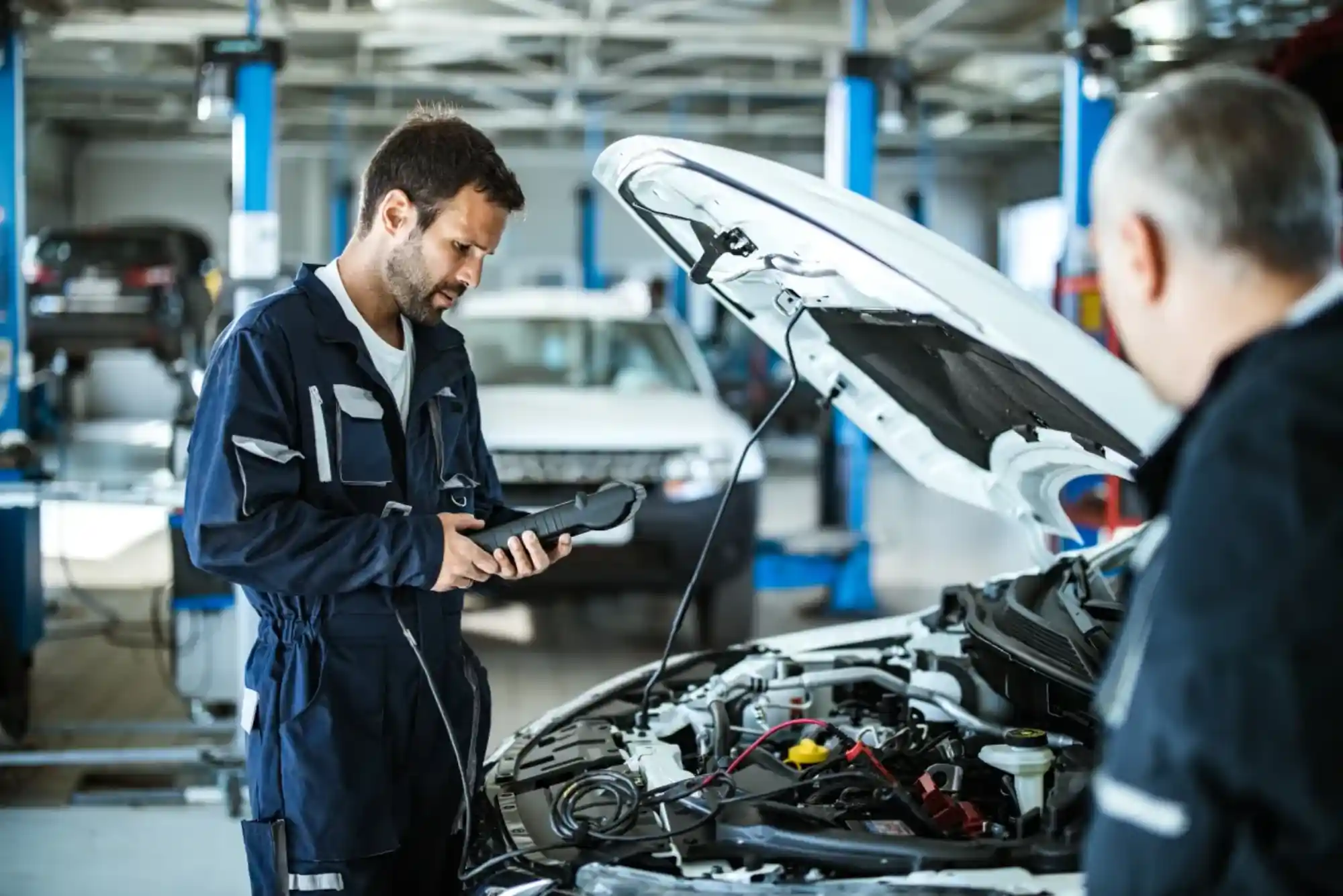
Professional servicing is especially valuable for complex systems. Trained technicians have access to diagnostic equipment and technical information that can help identify problems accurately.
Keeping records of completed maintenance is useful as well. Service records make it easier to track upcoming work and can support the vehicle’s resale value.
Develop a Consistent Maintenance Habit
The most effective maintenance strategy is consistency. Waiting until a vehicle develops a major problem usually costs more than addressing routine service requirements.
A simple maintenance routine can be built around regular visual checks, scheduled servicing, fluid inspections, tire care, and prompt attention to warning signs. The exact schedule should always follow the vehicle manufacturer’s recommendations.
Drivers should also consider how they use their vehicles. Frequent city driving, heavy loads, towing, rough roads, and extreme weather may require additional maintenance attention.
With a consistent approach, vehicle ownership becomes more predictable. Instead of reacting to breakdowns, drivers can focus on prevention.
Conclusion
The Top Automobile Maintenance Routines for Better Reliability are based on prevention, consistency, and attention to detail. Regular oil and fluid checks, tire care, brake inspections, filter replacement, battery checks, and scheduled servicing can protect important vehicle systems.
Frequently Asked Questions
How often should I service my car?
The correct service interval depends on the vehicle’s manufacturer, model, engine, mileage, and driving conditions. Always check the owner’s manual for the recommended schedule.
What maintenance should I do on my car regularly?
Regular maintenance commonly includes checking tire pressure, engine oil, fluid levels, lights, brakes, and windshield wipers. Scheduled servicing should also follow the manufacturer’s recommendations.
What is the most important car maintenance?
There is no single maintenance task that suits every vehicle. Oil maintenance, tire care, brake inspections, fluid checks, and scheduled servicing are all important for dependable operation.
How can I make my car more reliable?
Follow the manufacturer’s maintenance schedule, use suitable replacement parts, monitor warning signs, maintain correct tire pressure, and address unusual noises or performance changes promptly.
What happens if I don’t maintain my car?
Neglected maintenance can lead to reduced performance, premature component wear, poor fuel economy, safety problems, and unexpected breakdowns. Some neglected issues can eventually require expensive repairs.
Discover fresh ideas, useful insights, and engaging content designed to make everyday topics easier to explore. From helpful tips to interesting trends, readers can find valuable information that inspires better choices and new perspectives. For more engaging content and useful resources, visit Secondblow.com and explore a range of topics created for curious and informed readers.
Related Reading: Best Automobile Cleaning Methods for Interior and Exterior
Related Reading: Best Automobile Features for Comfortable Family Travel — full guide
Related Reading: How to Prepare Your Automobile for Seasonal Changes — full guide