Introduction
Regular vehicle servicing is one of the smartest ways to protect your automobile. Many drivers wait until a problem becomes serious before visiting a workshop. However, preventive servicing can identify minor issues before they become expensive repairs.
The Top Automobile Benefits of Regular Vehicle Servicing include improved safety, better performance, greater fuel efficiency, and increased reliability. Regular inspections also help maintain important mechanical and electrical systems.
A well-serviced vehicle is easier to drive and more dependable on daily journeys. Therefore, vehicle servicing should be treated as essential maintenance rather than an unnecessary expense.
Better Vehicle Performance
One of the main Top Automobile Benefits of Regular Vehicle Servicing is improved vehicle performance. Over time, engine oil becomes contaminated and loses its effectiveness. Air filters can also become clogged with dirt and debris.
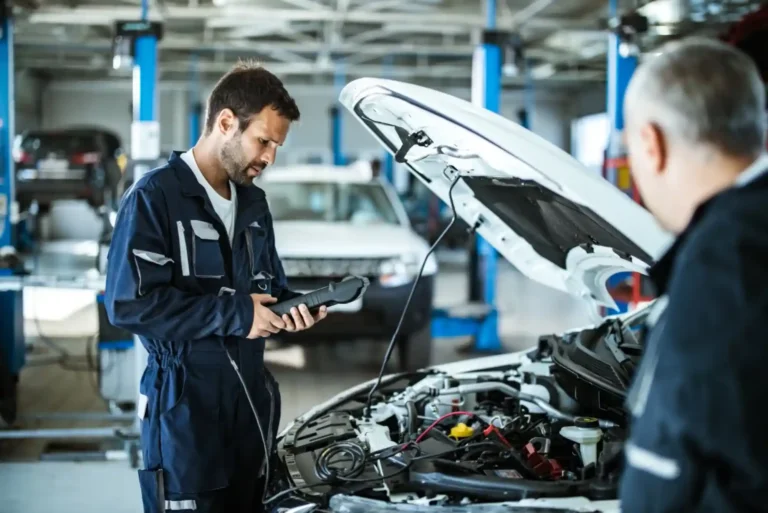
During regular servicing, technicians inspect and maintain essential components. They may replace old engine oil, inspect filters, check fluid levels, and examine belts.
These simple tasks help the engine operate more smoothly. As a result, the vehicle can deliver more consistent acceleration and responsive handling.

Regular servicing also allows technicians to identify performance problems early. Addressing them quickly can prevent further mechanical damage.
Improved Fuel Efficiency
Fuel efficiency is another important advantage of regular servicing. A poorly maintained vehicle may consume more fuel than necessary.
Dirty air filters can restrict airflow to the engine. Incorrect tyre pressure can also increase rolling resistance. Furthermore, worn spark plugs may affect combustion efficiency in petrol engines.
Regular servicing helps keep these components in suitable condition. Proper engine operation can reduce unnecessary fuel consumption.
Although servicing has an upfront cost, improved efficiency can help reduce your ongoing fuel expenses. This makes preventive maintenance a practical long-term investment.
Enhanced Road Safety
Safety should always be a priority for every driver. Regular servicing helps ensure that important safety-related components remain in good working condition.
Technicians can inspect the braking system, tyres, suspension, steering, lights, and other essential components. Early detection of worn parts can reduce the risk of unexpected failures.
Brake pads, for example, gradually become thinner with use. If they are ignored for too long, braking performance may deteriorate.
Regular inspections provide an opportunity to address such issues before they become serious. Therefore, vehicle servicing plays an important role in safer driving.
Longer Vehicle Lifespan
A vehicle is a major financial investment. Regular maintenance can help protect that investment over many years.
Engines, transmissions, cooling systems, and suspension components all experience wear. However, appropriate maintenance can reduce unnecessary stress on these systems.
Changing fluids at recommended intervals is particularly important. Engine oil, coolant, brake fluid, and transmission fluid can all affect component performance.
By following the manufacturer’s service schedule, owners can help their automobiles remain dependable for longer. This can delay the need for major repairs or premature replacement.
Lower Repair Costs
Another major advantage of the Top Automobile Benefits of Regular Vehicle Servicing is the potential to reduce repair expenses.
Small mechanical problems often become more expensive when ignored. For example, a minor fluid leak may eventually cause serious component damage.
Regular servicing gives technicians an opportunity to detect unusual noises, leaks, worn components, and warning signs. Repairs can then be completed before the problem develops further.
Preventive maintenance does not eliminate every possible repair. Nevertheless, it can reduce the likelihood of major and unexpected mechanical failures.
Better Engine Health
The engine is one of the most important parts of any automobile. It requires regular care to perform efficiently.
Engine oil lubricates moving components and helps control friction. Over time, however, the oil becomes contaminated and less effective.
Regular oil and filter changes support cleaner engine operation. Technicians can also inspect for leaks and unusual engine behaviour.
Maintaining proper engine lubrication can reduce excessive wear. Consequently, regular servicing can contribute significantly to long-term engine reliability.
Reliable Braking and Handling
Braking and handling directly affect the driving experience. Regular vehicle servicing helps keep these systems operating properly.
A professional inspection can identify worn brake pads, damaged suspension components, uneven tyre wear, and steering issues.
Correct tyre pressure is also important. Underinflated or overinflated tyres can affect handling and braking performance.
Keeping these systems maintained gives drivers greater confidence on different roads and during changing driving conditions.
Reduced Risk of Unexpected Breakdowns
Few things are more inconvenient than a vehicle breaking down during a journey. Regular servicing can reduce the risk of unexpected mechanical problems.
Technicians can identify ageing belts, weak batteries, worn hoses, and other components that may eventually fail.
Replacing a component before failure is often easier and less disruptive than dealing with an emergency breakdown.
This is especially useful for drivers who frequently travel long distances. A properly serviced automobile provides greater confidence before important journeys.
Better Air Conditioning Performance
Vehicle servicing can also benefit the air conditioning system. A vehicle’s climate control system needs regular inspection to maintain effective cooling.
Technicians may inspect refrigerant levels, filters, electrical connections, and other related components. Cleaning or replacing certain components may improve airflow.
Effective air conditioning is particularly valuable during hot weather. It also contributes to a more comfortable driving environment.
If the system produces unusual smells, weak airflow, or inconsistent cooling, professional inspection is recommended.
Improved Vehicle Resale Value
Regular servicing can also support a vehicle’s resale value. Buyers generally prefer automobiles that have been properly maintained.
A complete service history can demonstrate that the owner followed recommended maintenance procedures. This can make the vehicle more attractive to potential buyers.
Well-maintained mechanical components may also help the automobile remain in better overall condition.
Therefore, servicing is not only about current performance. It can also protect the vehicle’s value when you decide to sell or upgrade.
Better Reliability for Daily Driving
Daily transportation requires reliability. Whether you drive to work, school, business meetings, or family activities, unexpected vehicle problems can disrupt your schedule.
Regular servicing helps maintain important mechanical systems before problems become severe. This supports dependable operation throughout the year.
Drivers can also discuss unusual sounds, vibrations, warning lights, or performance changes with their technicians.
Sharing these observations can help professionals diagnose potential issues more efficiently.
Maintaining Manufacturer Recommendations
Every automobile manufacturer provides maintenance recommendations. These guidelines usually cover oil changes, inspections, fluid replacement, filters, tyres, and other components.
Following the recommended service intervals helps keep maintenance organised. It also ensures that important components receive attention at suitable times.
Newer vehicles may include electronic service reminders. However, drivers should still understand what maintenance their automobile requires.
Using qualified technicians and suitable replacement parts can further support proper vehicle care.
Why Preventive Maintenance Matters
Preventive maintenance focuses on avoiding problems instead of simply reacting to them. This approach can make automobile ownership more predictable.
For example, replacing a worn belt during scheduled maintenance is generally easier than dealing with a broken belt unexpectedly.
Similarly, checking tyres regularly can reveal uneven wear before it affects driving safety.
The Top Automobile Benefits of Regular Vehicle Servicing become more noticeable when maintenance is consistent. A single service cannot replace years of proper vehicle care.
When Should You Service Your Vehicle?
The correct service interval depends on the vehicle’s manufacturer, age, mileage, and driving conditions.
Many manufacturers provide specific mileage or time-based intervals. Some vehicles require servicing annually, while others may have different schedules.
Heavy traffic, frequent short trips, dusty environments, and extreme temperatures can place additional demands on a vehicle.
Always check your owner’s manual for the recommended maintenance schedule. When uncertain, consult a qualified automotive professional.
Preparing automobile for seasonal changes helps maintain safety, comfort, and reliable performance. Regularly check the tires, battery, fluids, brakes, lights, and air conditioning system. Seasonal maintenance can also prevent unexpected breakdowns, improve fuel efficiency, and keep your vehicle ready for changing weather and road conditions.
Frequently Asked Questions
How often should a car be serviced?
Most vehicles should follow the manufacturer’s recommended service schedule. The interval can depend on mileage, time, vehicle age, and driving conditions.
What happens if I do not service my car regularly?
Skipping servicing can allow small problems to develop into expensive mechanical issues. It may also reduce performance, fuel efficiency, and reliability.
Does regular servicing improve fuel economy?
Regular maintenance can support better fuel economy by keeping the engine, tyres, filters, and related systems in suitable condition.
Is vehicle servicing necessary for older cars?
Yes. Older vehicles often require closer attention because components experience more wear over time. Regular servicing can help maintain their reliability.
Can regular servicing increase a vehicle’s lifespan?
Proper maintenance can help reduce unnecessary component wear. Following the manufacturer’s service schedule may therefore support a longer vehicle lifespan.
Conclusion
The Top Automobile Benefits of Regular Vehicle Servicing extend far beyond basic maintenance. Regular servicing can improve performance, support fuel efficiency, enhance safety, reduce unexpected repairs, and protect vehicle value.
Related Reading: Best Automobile Cleaning Methods for Interior and Exterior — full guide
Related Reading: Best Automobile Features for Comfortable Family Travel
Related Reading: Best Automobile Features for Comfortable Family Travel — full guide
Related Reading: Top Benefits of Outsourcing IT Support — full guide