Introduction
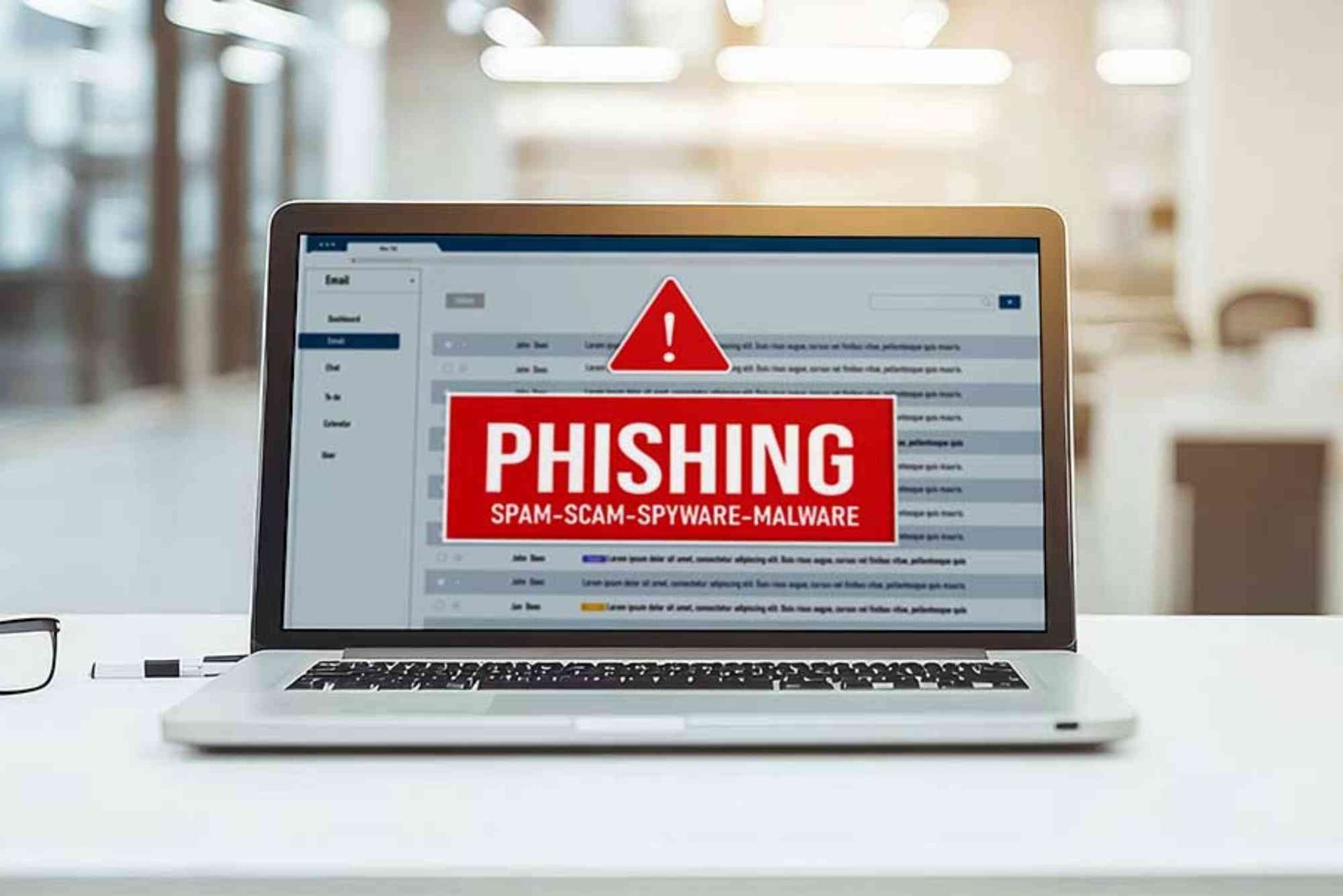
In today’s digital landscape, phishing attacks have become one of the most common and dangerous cyber threats businesses face. Cybercriminals use sophisticated tactics to trick employees into revealing sensitive information or clicking on malicious links. These attacks can result in data breaches, financial losses, and reputational damage. Understanding how to prevent phishing attacks on your business is essential to protect your company’s assets and maintain trust with clients and partners.
Phishing attacks exploit human psychology more than technical vulnerabilities. They often appear as legitimate emails, messages, or websites, prompting recipients to act quickly without thinking. This is why prevention requires a combination of technology, education, and proactive security measures. By implementing strong strategies, businesses can significantly reduce their risk and respond effectively if an attack occurs.
Understanding the Nature of Phishing Attacks
Phishing attacks vary in complexity and form. Basic phishing attempts might involve a simple email requesting login credentials. More sophisticated versions, such as spear phishing, target specific individuals within an organization, often using information gathered from social media or company websites. Business email compromise (BEC) is another advanced technique where attackers impersonate executives or trusted vendors to authorize fraudulent transactions.
Recognizing these methods is the first step toward prevention. Employees should be trained to scrutinize unusual requests and verify the sender’s identity. A small moment of caution can prevent costly consequences, especially in large organizations where multiple departments handle sensitive information.
Educating Employees and Building Awareness
Employee awareness is the cornerstone of phishing prevention. Training programs should teach staff to identify suspicious emails, messages, and links. Highlighting common indicators such as unexpected attachments, generic greetings, or urgent requests can help employees spot phishing attempts. Real-life simulations can also reinforce learning, providing safe opportunities to practice identifying threats.
Regular communication is essential. Updates on new phishing trends or attempted attacks within the industry help employees stay vigilant. By fostering a culture of security, businesses empower their workforce to act as a first line of defense against cybercriminals.
Implementing Technical Security Measures
Technology plays a crucial role in protecting your business from phishing attacks. Email filters and anti-phishing software can block malicious messages before they reach inboxes. Multi-factor authentication (MFA) adds an extra layer of protection, requiring users to verify their identity beyond just a password.
Endpoint protection, firewalls, and intrusion detection systems further strengthen defenses. Keeping all software, operating systems, and applications updated ensures vulnerabilities are patched promptly. Cybercriminals often exploit outdated systems, making regular maintenance a critical preventive measure.
Securing Business Communication Channels
Phishing attacks often exploit email, but other communication channels like messaging apps and social media are also at risk. Businesses should enforce secure communication practices, including encrypted messaging for sensitive information and verifying contacts through official channels.
Internal policies can help reduce exposure. Employees should be discouraged from sharing credentials or sensitive information over unsecured channels. Clear guidelines for reporting suspected phishing attempts ensure quick response and minimize potential damage.
Monitoring and Responding to Threats
Even with preventive measures, no business is completely immune to phishing attacks. Continuous monitoring allows IT teams to detect anomalies and respond quickly. Logging email activity, analyzing network traffic, and monitoring user behavior can reveal signs of an attempted breach.
A well-defined incident response plan is essential. It should outline steps for containing threats, notifying affected parties, and recovering compromised systems. By acting swiftly, businesses can reduce downtime and limit financial or reputational impact.
Encouraging a Security-First Mindset
Prevention extends beyond training and technology. Leadership must emphasize the importance of security in everyday operations. Encouraging employees to question unusual requests and prioritize safety over convenience creates a proactive defense culture.
Leadership involvement also ensures adequate resources are allocated to cybersecurity. Investing in regular training, security audits, and threat intelligence provides long-term protection and demonstrates commitment to safeguarding the organization.
Adopting a Layered Security Approach
Relying on a single solution is insufficient. A layered security approach combines multiple strategies to create robust protection. This includes employee education, strong authentication protocols, secure networks, and continuous monitoring.
Regular testing of security measures through simulated phishing attacks helps identify weaknesses and reinforces employee vigilance. By integrating these layers, businesses can create a resilient defense capable of withstanding evolving phishing tactics.
Protecting Customer and Client Data
Phishing attacks often target client information, making data protection crucial. Businesses must ensure customer data is encrypted, access is restricted, and sensitive information is not stored unnecessarily. Compliance with data protection regulations demonstrates responsibility and reduces legal risk.
Educating clients and vendors about phishing threats can also enhance security. Sharing best practices, warning about common scams, and encouraging verification before sharing information helps extend protective measures beyond internal operations.
Building Long-Term Cybersecurity Practices
Preventing phishing attacks is an ongoing effort, not a one-time project. Businesses should regularly review and update security protocols to address new threats. Collaboration with cybersecurity experts, participating in industry forums, and staying informed about emerging attack methods ensures preparedness.
Documenting lessons learned from past incidents helps refine policies and improves response effectiveness. Over time, these practices strengthen the organization’s resilience and build a reputation for security reliability.
Phishing attacks pose a serious threat to businesses of all sizes. By understanding the tactics used, educating employees, implementing technical safeguards, and fostering a culture of vigilance, organizations can significantly reduce their risk. Prevention requires a combination of awareness, technology, and proactive planning, but the investment pays off by protecting sensitive data, finances, and reputation.
Looking to boost your business efficiency? Discover the Best IT Solutions for Small and Medium Businesses that streamline operations, enhance security, and improve productivity. From cloud services to tailored software, these solutions help SMBs stay competitive and agile in today’s digital world. Explore how the right IT strategies can transform your business and support sustainable growth.