Introduction
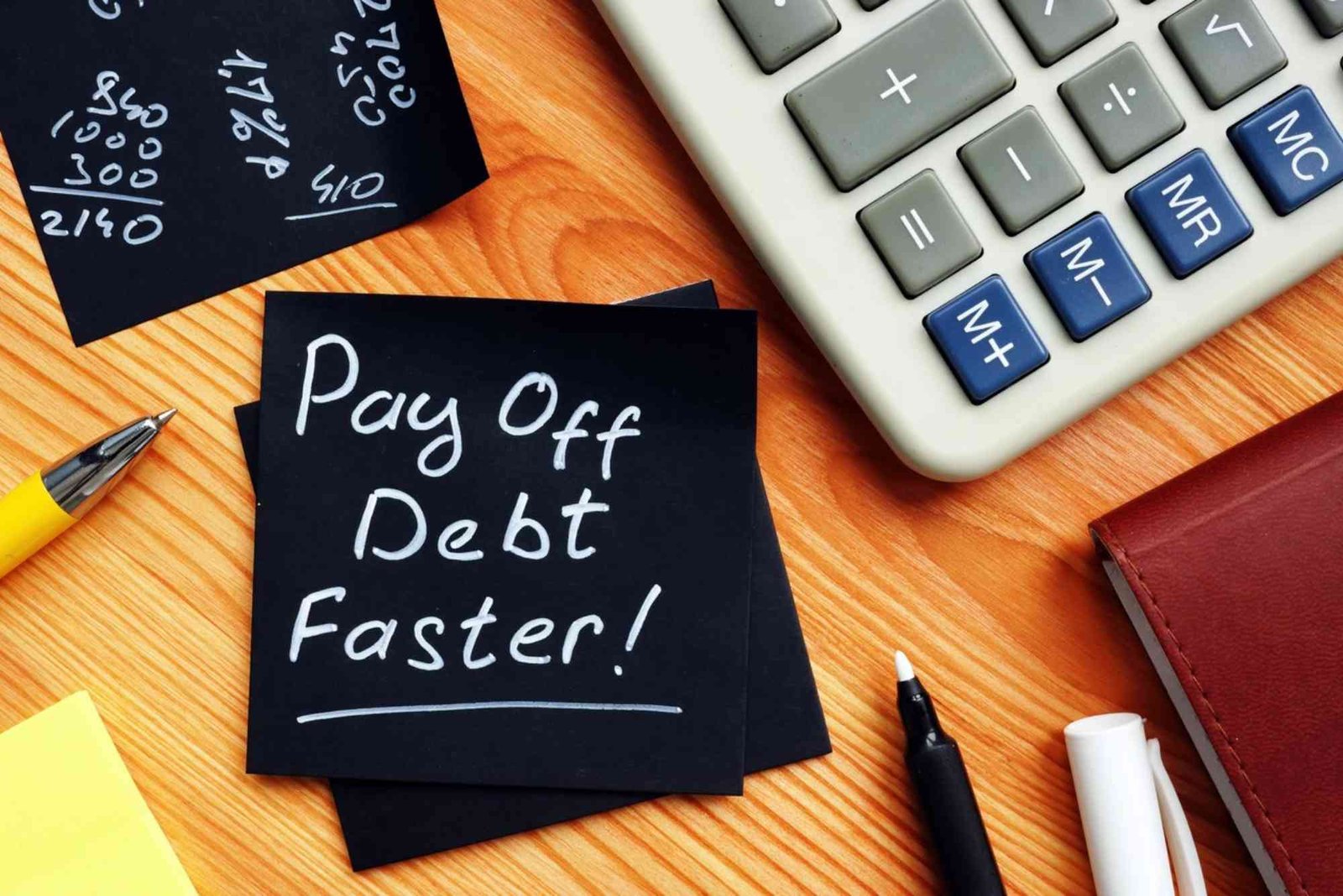
Debt can feel overwhelming. Whether it’s credit cards, student loans, or personal loans, carrying debt often brings stress and uncertainty. However, with the right plan and consistent effort, you can significantly reduce your debt faster than you thought possible. In this article, we’ll explore actionable steps and expert-backed strategies on How to Pay Off Debt Faster so you can regain financial freedom and peace of mind.
Learning How to Pay Off Debt Faster isn’t just about making minimum payments — it’s about understanding your financial picture, prioritizing debts wisely, and using proven strategies to accelerate your progress. Many people get discouraged by the numbers at first glance, but small, intentional adjustments to your financial habits can create powerful results over time. Whether you’re tackling a mountain of credit card debt or chipping away at student loans, this guide will help you build momentum and stay motivated.
Understand Your Debt Situation
Before you can start paying off debt faster, you need a clear understanding of what you owe and to whom.
List All Your Debts
Start by listing every debt you have — include balances, interest rates, monthly minimum payments, and creditors. Seeing everything in one place gives clarity and helps you make better decisions.
Calculate Your Total Monthly Payments
Add up all your monthly minimum payments. This shows how much of your income is already committed and helps you identify where you might trim expenses.
Know Your Interest Rates
High interest rates make debt grow faster. Identifying which debts carry higher interest will help you prioritize them in your repayment strategy.
Create a Realistic Budget
A budget is the foundation of any debt repayment plan. It helps you see where your money goes and where you can cut back.
Track Your Income and Expenses
Record all sources of income and categorize your expenses — housing, utilities, groceries, entertainment, and more. Tools like spreadsheets, budgeting apps, or even a simple notebook can help.
Identify Areas to Cut Back
Look for expenses you can reduce or eliminate. Eating out less, canceling unused subscriptions, or negotiating bills can free up money for debt repayment.
Allocate Extra Funds to Debt
Once you’ve identified savings, redirect that money toward paying down debt instead of discretionary spending.
Choose a Repayment Strategy
Two popular methods are the Debt Snowball and Debt Avalanche — both effective, but each works best in different situations.
Debt Snowball Method
With the debt snowball method, you:
- List debts from smallest to largest balance
- Pay minimums on all debts except the smallest
- Apply extra money to the smallest debt first
- Once paid off, roll that payment into the next smallest
This approach builds psychological wins early, boosting motivation.
Debt Avalanche Method
The debt avalanche method focuses on interest rates:
- List debts from highest to lowest interest rate
- Pay minimums on all, except extra on the highest interest debt
- Once done, move to the next highest rate
This method minimizes interest paid and saves money over the long term.
Increase Your Income
One of the most effective but often overlooked ways to pay off debt faster is increasing your income.
Ask for a Raise or Promotion
If you’ve been performing well at work, a salary increase can provide extra funds for debt repayment. Prepare a case for why you deserve it and ask your manager.
Take on a Side Hustle
Side jobs like freelancing, driving for ride-share services, tutoring, or selling handmade goods can bring in extra cash to put toward debt.
Monetize Hobbies or Skills
Do you enjoy writing, photography, or crafting? Consider turning a hobby into income through online platforms or local markets.
Reduce Expenses Strategically
Cutting costs doesn’t always mean sacrificing quality of life. Smart reductions can yield significant funds for debt repayment.
Negotiate Bills
Call your service providers — cable, internet, insurance, phone — and ask for discounts or lower rates. Many companies offer promotional pricing if you negotiate.
Shop Smarter
Use coupons, cashback apps, and comparison shopping to lower grocery and household expenses. Small savings add up quickly.
Minimize Luxuries Temporarily
Put big vacations, dining out, or expensive purchases on hold until you’ve made noticeable progress with debt repayment.
Automate Your Payments
Automating debt payments ensures you never miss due dates and keeps your momentum on track.
Set Up Automatic Transfers
Schedule automatic transfers from your checking account to your debt accounts on payday. This prioritizes your debt repayment before other expenses take your money.
Use Budgeting Tools
Apps like You Need a Budget (YNAB), Mint, or EveryDollar help you keep track of payments and remind you when bills are due.
Leverage Windfalls Wisely
Unexpected money like tax refunds, bonuses, or gifts can be powerful tools for debt repayment when used wisely.
Apply Windfalls to Debt
Instead of splurging, apply windfalls directly to your highest priority debt. This can create major balance reductions.
Avoid Lifestyle Inflation
It’s tempting to upgrade your lifestyle when you get extra cash, but using that money to pay debt helps you reach financial freedom faster.
Consider Debt Consolidation Options
For some, consolidating debts into a single, lower-interest loan can simplify payments and reduce interest costs.
Personal Consolidation Loan
A personal loan with a lower interest rate can replace multiple high-interest debts, reducing monthly interest and making repayment easier.
Balance Transfer Credit Cards
Some credit cards offer 0% APR introductory periods for balance transfers. Moving high-interest credit card debt here can save interest charges — just be mindful of transfer fees and the end of the promotional period.
Home Equity Loans or Lines of Credit
If you own a home, a HELOC or home equity loan might offer lower rates. However, these put your house at risk if you can’t pay, so proceed with caution.
Avoid Common Pitfalls
Even the best plans can be derailed by mistakes. Be aware of common pitfalls that delay debt repayment.
Taking on More Debt
Avoid opening new lines of credit while paying down existing debt. New purchases can undo months of progress.
Ignoring Emergencies
Not having an emergency fund can force you to rely on credit cards when unexpected expenses arise. Build a small buffer first — even $500–$1,000 helps.
Losing Motivation
Debt repayment is a marathon, not a sprint. Celebrate small victories to stay motivated and remind yourself of the long-term benefits.
Track Your Progress Regularly
Seeing your progress keeps you motivated and helps you make informed adjustments.
Monthly Check-Ins
Review debts, payments, and budget each month. See how much you’ve paid down and adjust your plan as needed.
Visual Tools
Use charts, graphs, or debt payoff trackers to visualize your progress. Watching balances drop can be highly motivating.
Celebrate Milestones
Rewarding yourself for progress keeps morale high.
Small Rewards
After paying off a debt, treat yourself to something small — a movie night, a favorite meal, or a day off.
Bigger Rewards
For major milestones, plan bigger but affordable rewards, like a short trip or a special purchase — as long as it doesn’t derail your repayment plan.
Long-Term Financial Habits
Once you learn How to Pay Off Debt Faster, the goal is to build habits that prevent future debt and build wealth.
Build an Emergency Fund
After debt repayment, direct funds into an emergency fund to protect against future financial shocks.
Save and Invest
With debt gone, you can turn your focus to saving for goals like a home, retirement, or children’s education. Compound interest becomes your friend.
Live Below Your Means
Continue living on less than you earn. This habit ensures financial stability and opens up opportunities for growth and security.
Paying off debt faster is achievable with commitment, clarity, and a strategic plan. By understanding your debt, creating a realistic budget, choosing the right repayment strategy, increasing income, and tracking progress, you’ll move closer to financial freedom each day. Remember, the journey may not always be easy, but the peace of mind and financial flexibility you gain are worth every effort. Start today — your future self will thank you.
FAQs
What is the fastest way to pay off debt?
The fastest way to pay off debt often combines increasing payments, reducing expenses, and using a strategic repayment method like the debt snowball or debt avalanche. Consistency and prioritizing high-interest balances make a significant difference.
Should I pay off debt or save money first?
It depends on your situation. Generally, build a small emergency fund first (e.g., $500–$1,000) to avoid new debt, then focus on high-interest debt. Once high-interest debt is paid, balance saving and debt repayment.
How much extra should I pay toward debt?
Pay as much extra as you can comfortably afford. Even small additional amounts reduce interest and shorten repayment time. Aim for a monthly payment you can sustain.
Does paying off debt improve credit score?
Yes. Paying down balances and making on-time payments can improve your credit utilization ratio and payment history, both important for credit scores.
Is debt consolidation a good idea?
Debt consolidation can help if it lowers your interest rate and simplifies payments. However, it requires discipline — new debt or missed payments can negate its benefits.