Introduction
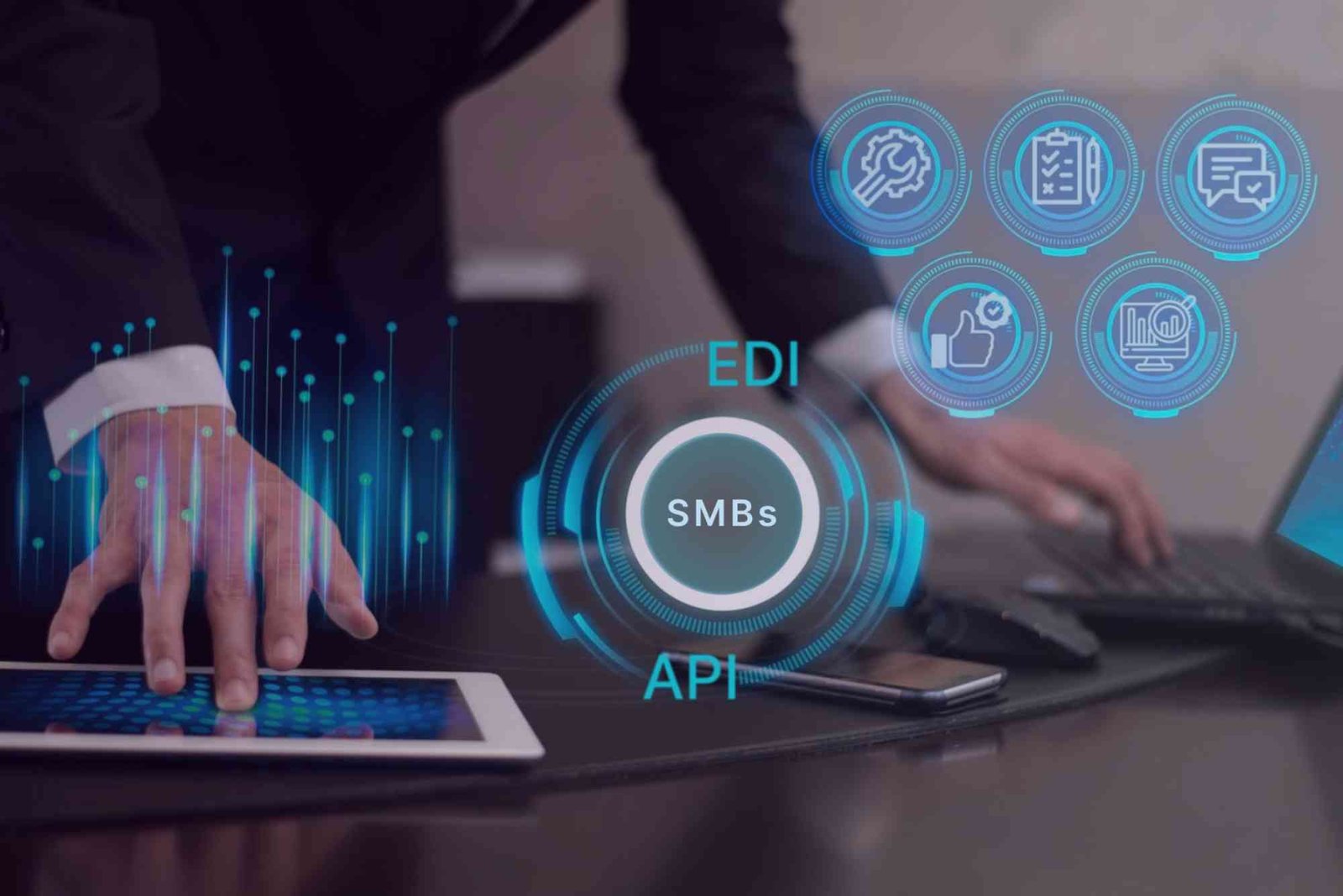
In today’s fast-paced business world, technology is no longer optional. Small and medium businesses (SMBs) must embrace IT solutions to remain competitive. Efficient IT systems streamline operations, improve productivity, and protect vital data. Choosing the right tools can make the difference between business growth and stagnation. This guide explores the best IT solutions for small and medium businesses, helping owners make informed decisions.
Understanding IT Needs in SMBs
Every small or medium business has unique challenges, from limited budgets to minimal in-house IT expertise. A well-planned IT strategy can resolve common issues such as slow workflows, security vulnerabilities, and inefficient communication. SMBs need solutions that are scalable, cost-effective, and easy to manage.
Modern IT solutions do more than just support daily operations. They provide actionable insights, automate repetitive tasks, and enhance collaboration. By integrating these technologies, SMBs can compete with larger enterprises while staying agile.
Core IT Solutions for SMBs
Cloud Computing
Cloud computing allows businesses to access data and applications over the internet rather than relying on local servers. This technology is especially valuable for SMBs with limited IT infrastructure. Cloud platforms offer flexibility, scalability, and cost savings.
With cloud computing, small businesses can easily expand their storage as they grow. It also enables remote work, which has become essential in today’s environment. Popular cloud services include data storage, backup solutions, and software-as-a-service (SaaS) applications.
Managed IT Services
Many SMBs cannot afford a full-time IT department. Managed IT services provide access to expert support without the overhead of hiring additional staff. These services include network monitoring, data backup, cybersecurity, and troubleshooting.
Outsourcing IT tasks ensures that systems run smoothly while freeing employees to focus on core business activities. Managed service providers (MSPs) also offer proactive maintenance, which prevents costly downtime.
Cybersecurity Solutions
Cybersecurity is a critical concern for SMBs, as they are often targeted due to weaker defenses. Implementing robust security measures protects sensitive information and builds customer trust.
Essential cybersecurity solutions include firewalls, antivirus software, secure password management, and employee training. Advanced options like multi-factor authentication and encryption add layers of protection. Regular security audits and updates help prevent breaches and data loss.
Networking and Collaboration Tools
Effective communication and collaboration are vital for business success. Networking tools such as virtual private networks (VPNs), secure Wi-Fi, and cloud-based collaboration platforms enhance productivity.
Collaboration software allows teams to share documents, conduct video meetings, and manage projects efficiently. Integrating these tools reduces email overload, improves workflow visibility, and promotes teamwork. Examples include platforms for project management, team chat, and file sharing.
Customer Relationship Management (CRM) Systems
CRM systems help businesses manage interactions with clients and prospects. They provide a centralized database for customer information, sales tracking, and marketing campaigns.
Using a CRM improves customer service, increases retention, and boosts sales. SMBs benefit from CRM platforms designed for smaller teams, which are affordable, easy to implement, and scalable as the business grows.
Enterprise Resource Planning (ERP) Solutions
ERP solutions integrate core business processes such as inventory, finance, and human resources into a single system. For SMBs, this centralization reduces errors, saves time, and improves decision-making.
Modern ERP software is often cloud-based, making it accessible from anywhere. SMBs can choose modular solutions tailored to their specific needs, ensuring that they only pay for the functionality they require.
Data Analytics and Business Intelligence
Data-driven decision-making is no longer reserved for large corporations. SMBs can use analytics tools to understand customer behavior, monitor performance, and identify growth opportunities.
Business intelligence platforms transform raw data into actionable insights. Predictive analytics, for instance, can anticipate trends, optimize marketing strategies, and streamline operations. Investing in these tools helps SMBs stay competitive in a data-centric market.
Benefits of Implementing IT Solutions in SMBs
Adopting the best IT solutions for small and medium businesses delivers numerous advantages.
Enhanced Efficiency
Automating routine tasks reduces manual effort and human error. This efficiency allows teams to focus on strategic initiatives, accelerating overall business growth.
Cost Savings
Cloud computing, managed services, and scalable software reduce IT costs. SMBs pay only for what they use, avoiding large upfront investments in infrastructure.
Improved Security
Implementing robust cybersecurity measures protects sensitive data and ensures regulatory compliance. A secure IT environment also fosters customer confidence.
Scalability
Modern IT solutions grow with the business. As SMBs expand, cloud-based systems, modular software, and flexible IT services adapt to increasing demands without disrupting operations.
Better Customer Experience
CRM and collaboration tools enhance customer interaction and service delivery. Quick responses, personalized communication, and streamlined support strengthen customer loyalty.
Choosing the Right IT Solutions
Selecting the best IT solutions for small and medium businesses requires careful planning. Consider the following factors:
- Business Needs: Identify specific challenges and priorities. Avoid unnecessary features that add cost without value.
- Budget: Determine how much can be allocated to IT while maximizing ROI. Consider subscription-based models for affordability.
- Scalability: Choose solutions that can grow with the business, avoiding frequent replacements.
- Ease of Use: Ensure the tools are user-friendly and require minimal training.
- Vendor Support: Reliable customer support ensures issues are resolved promptly, reducing downtime.
Engaging with IT consultants or managed service providers can help SMBs evaluate options and implement solutions effectively.
Emerging Trends in SMB IT Solutions
Artificial Intelligence and Automation
AI-powered tools are becoming accessible to SMBs. Automation software can handle repetitive tasks like invoicing, email responses, and data entry, saving time and reducing errors.
Remote Work Technology
The shift to remote work has accelerated adoption of cloud collaboration, VPNs, and virtual meeting platforms. SMBs benefit from flexible work arrangements while maintaining productivity and security.
Integrated Platforms
Businesses are moving toward integrated IT ecosystems where CRM, ERP, and communication tools work seamlessly together. This reduces software fragmentation and improves efficiency.
Cybersecurity Innovations
Next-generation firewalls, AI-driven threat detection, and zero-trust architectures are becoming standard, even for SMBs. Staying ahead of cyber threats is critical for maintaining trust and continuity.
Transform Your Business with IT
Investing in the best IT solutions for small and medium businesses is no longer optional—it’s essential. Cloud computing, managed services, cybersecurity, and collaboration tools empower SMBs to compete with larger enterprises. By embracing technology, businesses improve efficiency, security, and customer satisfaction while reducing costs.
Small and medium business owners should evaluate their needs, budget, and growth plans to select the right IT solutions. Partnering with experienced vendors ensures smooth implementation and ongoing support.
Take action today and explore IT solutions that can elevate your business operations. Technology can transform your business into a more productive, secure, and competitive enterprise.
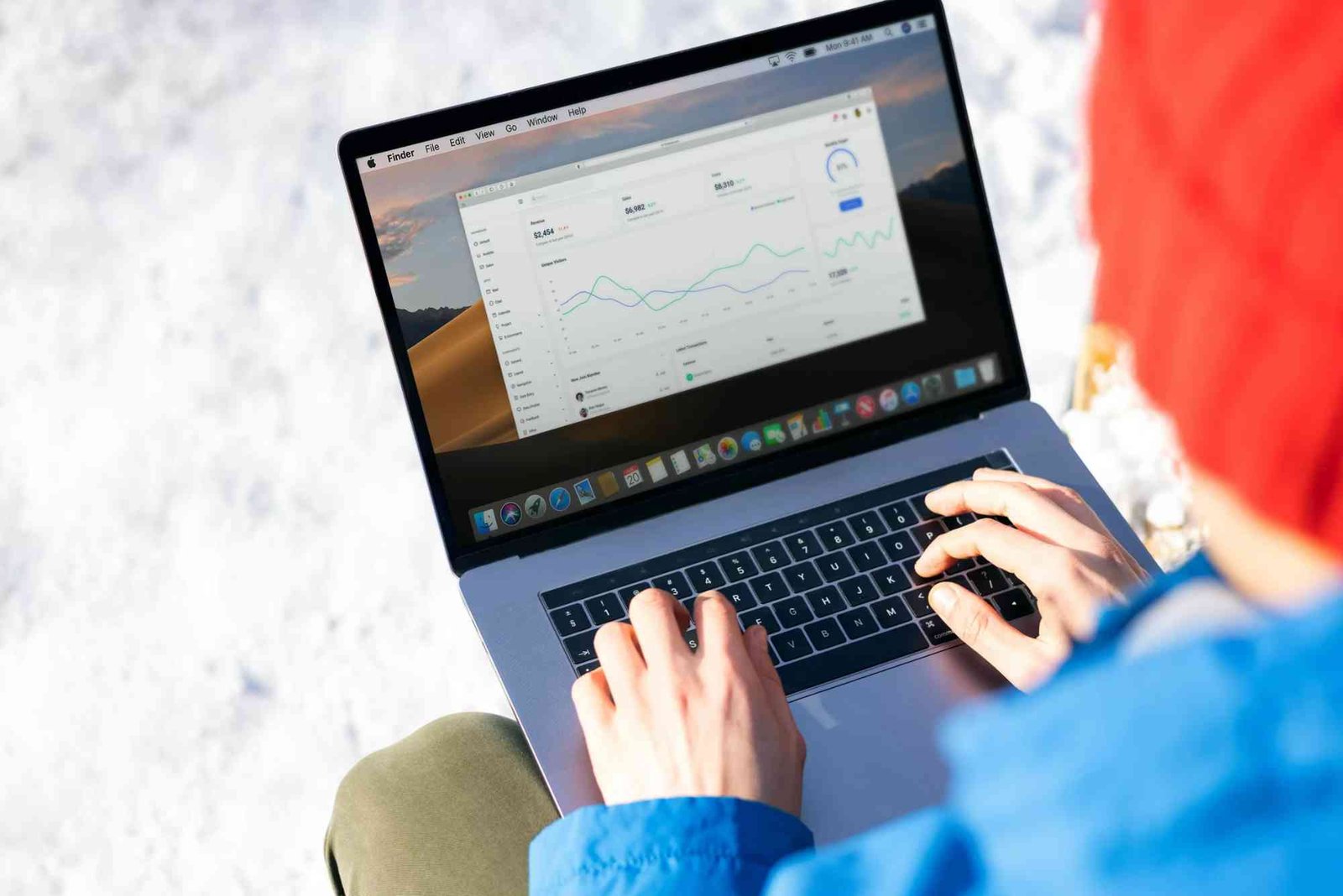
Cloud technology has transformed the way teams collaborate by enabling secure access to files, applications, and communication tools from anywhere. It supports remote work through real-time document sharing, video conferencing, cloud storage, and seamless project management. Businesses benefit from improved flexibility, productivity, and data security, making it easier for employees to stay connected and efficient regardless of location.
FAQ
What are the essential IT solutions for SMBs?
Essential solutions include cloud computing, managed IT services, cybersecurity, CRM systems, ERP platforms, and collaboration tools.
How can SMBs improve cybersecurity without a big IT team?
By using managed IT services, implementing firewalls, antivirus software, multi-factor authentication, and employee training.
Why should small businesses adopt cloud computing?
Cloud computing provides flexibility, scalability, cost savings, remote access, and secure data storage without heavy infrastructure costs.
What is the difference between CRM and ERP for SMBs?
CRM focuses on customer interactions and sales, while ERP integrates core business processes like finance, inventory, and HR into one system.
Are AI and automation relevant for small businesses?
Yes. AI and automation save time, reduce errors, enhance decision-making, and streamline repetitive tasks even for small teams.
How do I choose the best IT solution for my business?
Assess your business needs, budget, scalability, usability, and vendor support. Prioritize tools that align with growth and efficiency goals.