
Introduction
Finding the best beauty products for sensitive skin can feel like navigating a maze. Sensitive skin reacts to many ingredients, often resulting in redness, irritation, or breakouts. Choosing products that are gentle yet effective requires careful consideration. This guide highlights essential tips and insights for selecting beauty products that soothe, protect, and enhance your skin without causing harm.
Understanding Sensitive Skin
Sensitive skin is not just a term—it’s a condition that requires special care. People with sensitive skin may experience frequent dryness, itching, or a burning sensation after using common beauty products. Environmental factors such as pollution, sun exposure, and extreme temperatures can worsen these reactions. Additionally, internal factors like stress, hormonal changes, and diet can trigger flare-ups.
Knowing your skin type and triggers is the first step. Patch testing new products before applying them all over your face or body is essential. Even products labeled as “gentle” or “hypoallergenic” can cause reactions in some people. Therefore, a personalized approach to skincare and beauty is critical for sensitive skin.
Key Ingredients to Look For
When selecting beauty products for sensitive skin, ingredient selection is crucial. Natural and soothing ingredients reduce irritation while providing hydration and protection. Some ingredients to prioritize include aloe vera, chamomile, hyaluronic acid, and oatmeal extracts. These ingredients are known for their calming properties and minimal risk of triggering sensitivity.
Products with antioxidants such as vitamin E and niacinamide can strengthen the skin’s barrier, preventing inflammation and redness. Avoid harsh chemicals, synthetic fragrances, alcohol, and sulfates, as they can strip the skin of its natural oils and provoke reactions. Opting for fragrance-free, hypoallergenic, and dermatologist-tested products is a safer choice for daily skincare and makeup.
Choosing the Right Cleanser
Cleansing is the foundation of any skincare routine, but for sensitive skin, the wrong cleanser can cause irritation. Gentle, creamy, or micellar water-based cleansers are ideal because they cleanse without stripping natural oils. Avoid foaming cleansers with harsh surfactants.
A proper cleanser removes dirt, oil, and makeup while maintaining the skin’s pH balance. Use lukewarm water instead of hot water to prevent dryness. Cleansing twice a day is sufficient for sensitive skin; over-cleansing can damage the protective barrier and lead to redness or breakouts.
Moisturizers for Sensitive Skin
Moisturizing is essential to keep sensitive skin hydrated and resilient. Lightweight, non-comedogenic moisturizers work best to avoid clogging pores. Look for products with ceramides, squalane, or shea butter, which repair the skin barrier and lock in moisture.
For daytime, consider a moisturizer with SPF protection. Sensitive skin can react strongly to sun exposure, leading to irritation or hyperpigmentation. At night, richer creams with calming ingredients can help repair the skin and reduce inflammation. Layering moisturizers with serums containing soothing compounds enhances hydration without causing irritation.
Makeup Options for Sensitive Skin
Makeup can enhance your appearance, but it can also trigger reactions if not chosen carefully. Mineral-based foundations, tinted moisturizers, and powder products are usually less irritating than heavy creams. Avoid products with synthetic fragrances, parabens, and chemical dyes.
Primer and setting sprays designed for sensitive skin help makeup stay in place without clogging pores. If your skin is prone to redness, green-tinted primers can neutralize discoloration. Always remove makeup thoroughly at the end of the day using a gentle cleanser to prevent inflammation and breakouts.
Sunscreen is Non-Negotiable
Sensitive skin requires daily sun protection. Physical sunscreens containing zinc oxide or titanium dioxide are less likely to irritate the skin compared to chemical sunscreens. Broad-spectrum protection shields your skin from both UVA and UVB rays.
Apply sunscreen generously and reapply every two hours if exposed to sunlight. Some sensitive skin types react to chemical filters, so testing small amounts before full application can prevent adverse reactions. Sunscreen also helps prevent premature aging and redness caused by sun damage.
Serums and Treatments
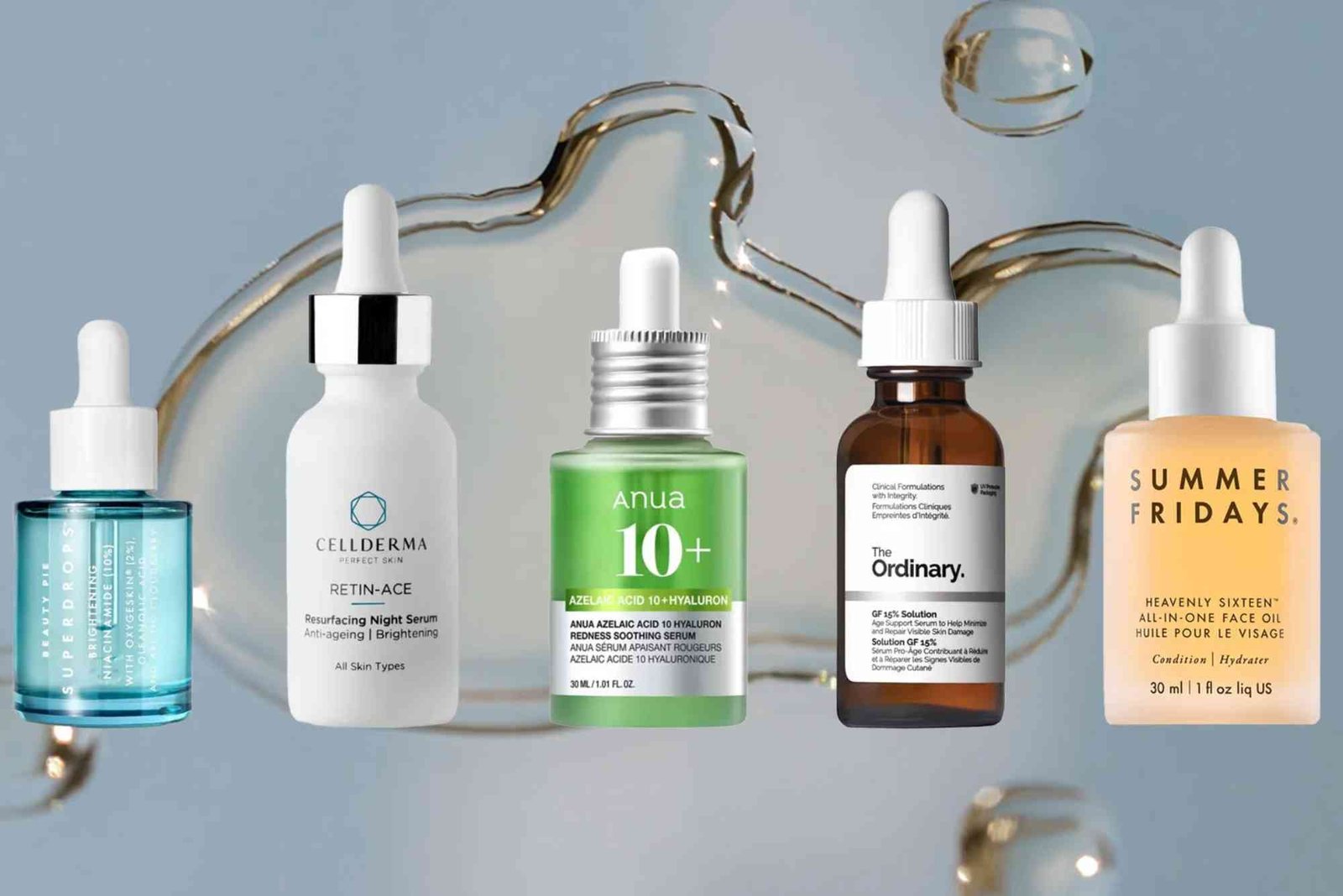
Targeted treatments like serums can provide additional benefits for sensitive skin. Products with niacinamide, hyaluronic acid, and panthenol can calm inflammation, strengthen the skin barrier, and maintain hydration. Antioxidant-rich serums protect against environmental stressors while improving overall skin texture.
Introduce new treatments gradually, one product at a time, to monitor reactions. Patch testing on the inner arm or behind the ear is recommended before full-face application. Overloading sensitive skin with multiple active ingredients at once can lead to irritation.
Lifestyle Factors That Affect Sensitive Skin
Beauty products alone are not enough. Lifestyle choices significantly impact sensitive skin. A balanced diet rich in antioxidants, omega-3 fatty acids, and vitamins supports skin health from within. Hydration is crucial, as water helps maintain elasticity and flush out toxins.
Stress management and adequate sleep also play a role. High stress levels can trigger flare-ups and worsen redness. Gentle exfoliation, using soft cloths or mild chemical exfoliants, can prevent dead skin buildup without causing damage. Avoid over-exfoliation, which weakens the skin’s natural barrier.
Shopping Tips for Sensitive Skin Products
When shopping for beauty products for sensitive skin, always read labels carefully. Look for “fragrance-free,” “hypoallergenic,” and “dermatologist-tested” claims. Smaller, travel-sized products allow you to test the product before committing to a full-sized version.
Reviews and recommendations from people with similar skin concerns can be valuable, but personal experience is the ultimate guide. Keep a journal of products you use, noting any reactions. This practice helps identify triggers and guides better choices over time.
Choosing the best beauty products for sensitive skin requires knowledge, patience, and careful selection. Focus on gentle, soothing ingredients and avoid harsh chemicals. Cleansing, moisturizing, sun protection, and thoughtful makeup choices form the foundation of a sensitive skin-friendly routine. Supporting skin health with lifestyle adjustments further enhances results. By following these strategies, you can enjoy radiant, healthy skin without irritation.
For a personalized approach, start small, patch-test products, and gradually build a routine that works specifically for your skin type. Your sensitive skin deserves products that care, protect, and enhance your natural beauty. Explore trusted brands and gentle formulas today to achieve glowing skin without compromise.
FAQs
What ingredients should I avoid for sensitive skin?
Avoid alcohol, sulfates, synthetic fragrances, parabens, and harsh chemical dyes. These can trigger irritation and redness.
Are natural products always safe for sensitive skin?
Not always. Even natural ingredients can cause reactions. Always patch-test new products.
Can sensitive skin use retinol or acids?
Yes, but in low concentrations and with gradual introduction. Use products formulated for sensitive skin.
How can I prevent makeup from irritating sensitive skin?
Use mineral-based or hypoallergenic makeup. Always remove makeup gently with a mild cleanser.
Is sunscreen necessary for sensitive skin?
Absolutely. Physical sunscreens with zinc oxide or titanium dioxide are ideal to prevent irritation and sun damage.