Introduction
Cooking food perfectly is a skill that many home cooks struggle with, especially when it comes to achieving consistent results. Learning how to cook food evenly every time can completely transform your kitchen experience. Whether you are baking, frying, roasting, or grilling, even cooking ensures better taste, texture, and safety in every dish.
Uneven cooking often leads to burnt edges and raw centers, which can ruin even the best ingredients. However, once you understand heat control, proper preparation, and timing, you can master how to cook food evenly every time without stress. This guide will walk you through practical and proven techniques that help you improve your cooking results in a simple and natural way.
By applying the right methods, you will notice that how to cook food evenly every time is not about luck. It is about understanding your tools, ingredients, and heat distribution clearly.
Understanding Heat Control for Even Cooking
One of the most important steps in learning how to cook food evenly every time is understanding heat control. Heat is the foundation of cooking, and uneven heat is the main cause of poorly cooked meals.
When heat is too high, the outer layer of food cooks too quickly while the inside remains undercooked. On the other hand, very low heat can make food dry and overcooked before it is done properly.
To master how to cook food evenly every time, you need to balance temperature carefully. Preheating pans, ovens, or grills is essential because it creates a stable cooking environment. This helps food cook at a consistent rate from all sides.

Another important factor is adjusting heat based on the type of food. Delicate foods require gentle heat, while dense foods may need steady and moderate heat for even cooking.
Proper Food Preparation Techniques
Preparation plays a major role in how to cook food evenly every time. When ingredients are not prepared correctly, cooking becomes uneven and unpredictable.
Cutting food into uniform sizes is one of the simplest yet most effective techniques. When all pieces are the same size, they cook at the same speed, which helps achieve consistent results.
Marinating food evenly also supports better cooking. It allows heat and flavor to penetrate uniformly, improving both texture and taste.
Drying food properly before cooking is another helpful step. Excess moisture can create steam, which prevents even browning and leads to uneven results. This small preparation habit greatly improves how to cook food evenly every time.
Choosing the Right Cookware
Cookware selection has a direct impact on how to cook food evenly every time. The material, thickness, and shape of your pans or trays determine how heat spreads across the surface.
Heavy-bottom pans distribute heat more evenly compared to thin pans. They reduce the risk of hot spots that burn food in certain areas while leaving other parts undercooked.
Non-stick pans are helpful for delicate foods, while cast iron provides steady heat retention for roasting and frying. Using the right tool for the right dish makes a noticeable difference in achieving how to cook food evenly every time.
It is also important to avoid overcrowding cookware. When too much food is placed in one pan, heat circulation becomes uneven, affecting overall cooking quality.
Maintaining Consistent Oven or Stove Temperature
Temperature consistency is essential when learning how to cook food evenly every time. Many cooking problems occur because heat fluctuates during the cooking process.
Ovens should always be preheated properly before placing food inside. This ensures that cooking starts immediately at the correct temperature.
Avoid opening the oven door frequently, as it causes heat loss and uneven cooking. Every time heat escapes, the cooking process becomes inconsistent.
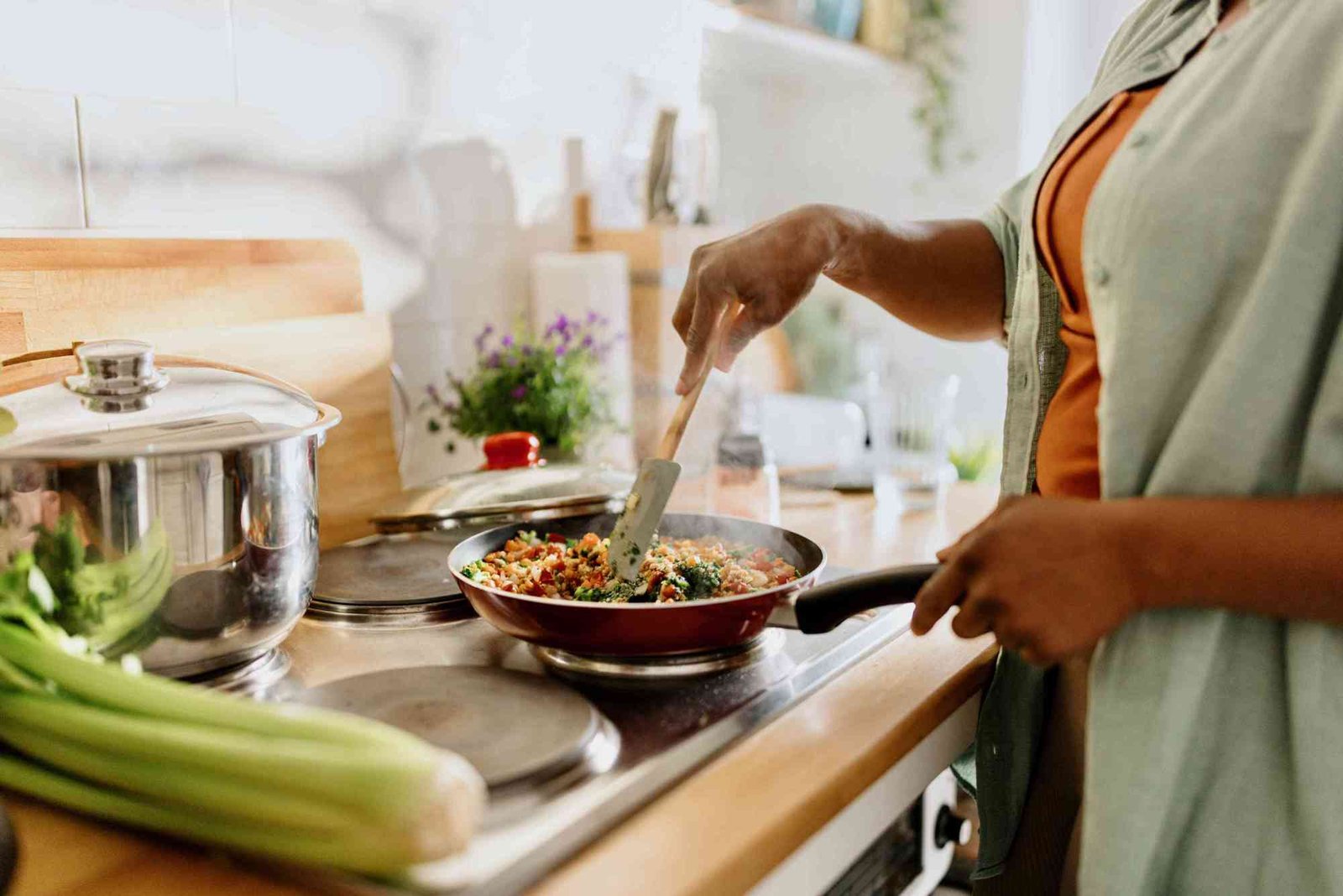
On the stove, maintaining a steady flame or heat level is equally important. Sudden changes in heat can lead to uneven cooking, especially for dishes that require longer cooking times.
Understanding your appliance helps improve how to cook food evenly every time and reduces guesswork in the kitchen.
Timing and Turning Food Properly
Timing plays a critical role in how to cook food evenly every time. Cooking is not just about heat, but also about when and how often you handle the food.
Turning or flipping food at the right time ensures both sides receive equal heat exposure. If food is left untouched for too long, one side may overcook while the other remains underdone.
Using timers can help maintain accuracy, especially for beginners. It prevents overcooking and helps maintain consistency in every dish.
Allowing food to rest after cooking is also important. This helps heat distribute evenly inside the food, improving texture and flavor.
By managing timing carefully, you can significantly improve how to cook food evenly every time in your kitchen.
Managing Moisture and Steam Levels
Moisture control is another key factor in how to cook food evenly every time. Too much steam can prevent proper browning and lead to soggy results.
When frying or roasting, it is important to keep the surface dry. Dry surfaces allow better heat contact, which promotes even cooking.
Covering food during cooking can sometimes trap steam, which is useful for certain dishes but not all. Understanding when to use or avoid steam helps improve your cooking control.
Proper ventilation in the cooking area also supports better heat circulation, which contributes to how to cook food evenly every time.
Using the Right Cooking Techniques
Different cooking methods affect how evenly food cooks. Choosing the right technique is essential for consistent results.
Slow cooking is ideal for tougher ingredients, as it allows heat to penetrate evenly over time. Baking is also effective for achieving uniform results when temperature is controlled properly.
Grilling requires more attention, as direct heat can create uneven cooking if not managed correctly. Rotating food frequently helps maintain balance.
By matching the right technique with the right dish, you naturally improve how to cook food evenly every time without unnecessary effort.
Importance of Practice and Observation
Experience plays a major role in mastering how to cook food evenly every time. Even with perfect knowledge, practice helps you understand how your kitchen tools and ingredients behave.
Observing changes in color, texture, and aroma helps you make better decisions while cooking. Over time, you become more confident in adjusting heat and timing.
Every kitchen is slightly different, so personal experience is essential in mastering how to cook food evenly every time.
Conclusion
Learning how to cook food evenly every time is not difficult when you understand the basics of heat control, preparation, cookware, and timing. Small improvements in your cooking habits can lead to big differences in results.
By applying these simple yet effective techniques, you can avoid undercooked or overcooked meals and enjoy consistently delicious food.
If you want to improve your cooking skills further, start practicing these methods in your daily meals. Keep experimenting, stay patient, and focus on consistency. Over time, you will fully master how to cook food evenly every time and enjoy better results in every dish you prepare.
(FAQs)
Why does my food cook unevenly?
Food often cooks unevenly due to poor heat control, irregular cutting sizes, or overcrowded pans. Improving preparation and maintaining stable heat helps fix this issue and improves how to cook food evenly every time.
How do I make sure meat cooks evenly?
To cook meat evenly, bring it to room temperature before cooking and cut it into uniform thickness. Using steady heat and proper timing also improves how to cook food evenly every time.
Does cookware affect even cooking?
Yes, cookware plays a major role in heat distribution. Thick-bottom pans and quality materials help maintain consistent heat, making it easier to achieve how to cook food evenly every time.
Why is my oven cooking unevenly?
Uneven oven cooking may happen due to poor preheating or frequent door opening. Ensuring stable temperature helps improve how to cook food evenly every time in baking.
What is the best temperature for even cooking?
The best temperature depends on the dish, but moderate and steady heat is usually ideal. Controlled heat is key to mastering how to cook food evenly every time.