Becoming a live sound engineer in India is an exciting and rewarding career path for those passionate about music, technology, and live events. The role involves managing audio for concerts, theater productions, corporate events, and festivals, ensuring crystal-clear sound for audiences. But how long does it take to become proficient in live sound engineering? This article explores the timeline, skills, training, and practical steps required to succeed, with a focus on opportunities for live sound engineering in Delhi, India, a hub for events and entertainment.
Understanding the Role of a Live Sound Engineer
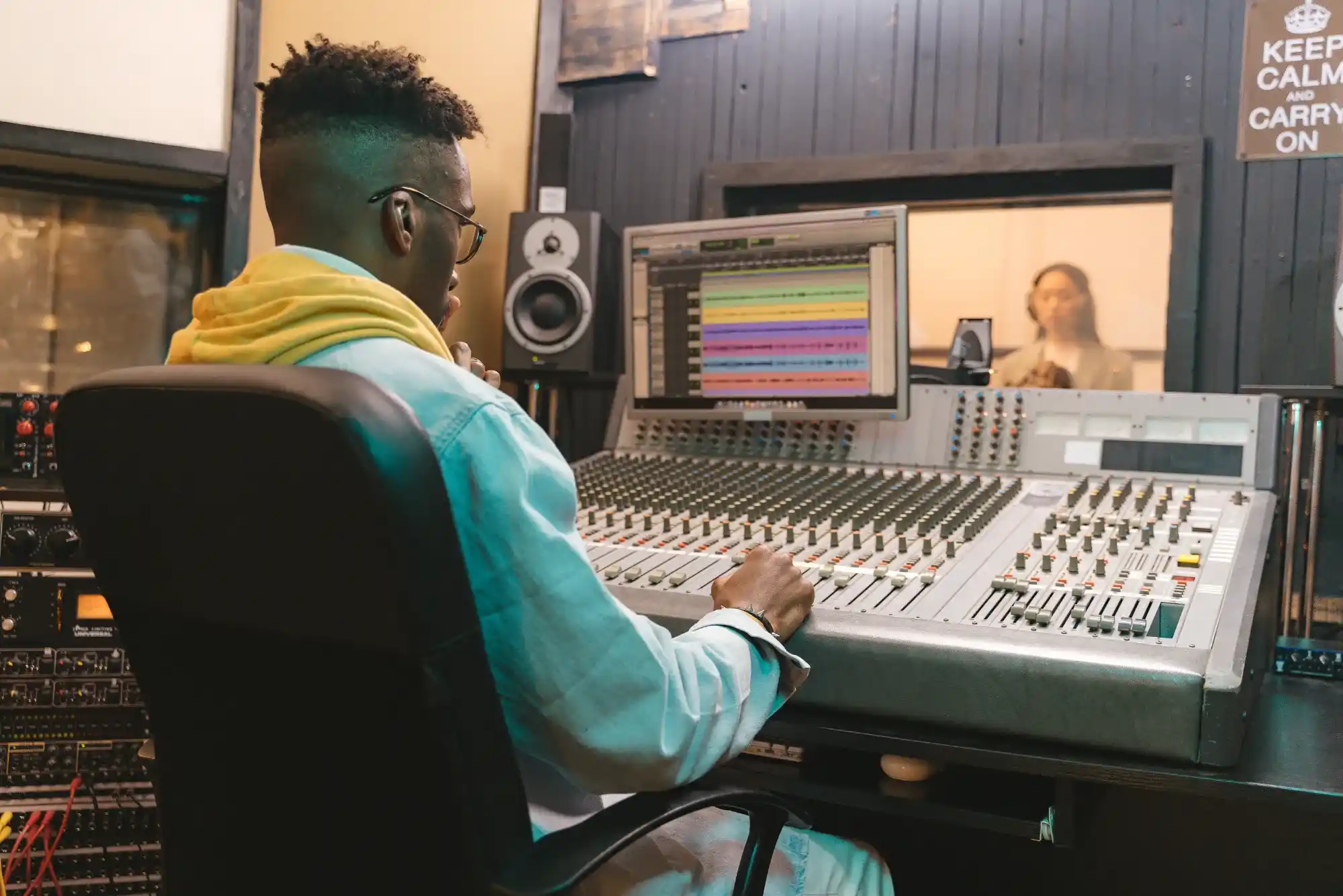
A live sound engineer is responsible for setting up, operating, and troubleshooting audio equipment during live performances. This includes microphones, speakers, mixing consoles, and sound processing tools. The role demands technical expertise, a good ear for sound, and the ability to work under pressure. In India, where live events are booming, particularly in cities like Delhi, the demand for skilled professionals in live sound engineering is growing.
The timeline to become a live sound engineer varies based on your starting point, dedication, and access to resources. On average, it takes 1–3 years to gain the skills and experience needed for entry-level roles, with additional years to become a seasoned professional. Let’s break it down.
Step 1: Building a Foundation (3–6 Months)
The first step is understanding the basics of audio engineering. This includes learning about sound waves, acoustics, signal flow, and audio equipment. For beginners, self-study through online courses, books, or free resources can take 3–6 months. Platforms like Coursera, Udemy, or YouTube offer introductory courses on audio engineering.
In live sound engineering in Delhi,India, local institutes like the Sound Engineering Academy or the Global Music Institute provide foundational courses. These programs, lasting 3–6 months, cover topics like:
-
Microphone types and placement
-
Mixing console operation
-
Sound system setup
-
Basic troubleshooting

During this phase, focus on understanding how sound behaves in different environments, such as indoor venues or outdoor festivals. Practical exposure, even at small events, can accelerate learning.
Step 2: Formal Education or Certification (6–12 Months)
While formal education isn’t mandatory, a diploma or certificate in audio engineering can give you a competitive edge. In India, institutes like the Asian Academy of Film and Television in Noida or the SAE Institute offer 6–12-month programs tailored to live sound engineering. These courses dive deeper into:
-
Digital and analog mixing
-
Live sound reinforcement
-
Stage monitoring
-
Audio networking (e.g., Dante systems)
For those in Delhi, institutions like the Delhi School of Music or local workshops by industry professionals provide hands-on training. Completing a certification program typically takes 6–12 months, depending on whether you study full-time or part-time. These programs often include internships, offering real-world experience.
Alternatively, self-taught engineers can spend this time building skills through online platforms or by assisting at local events. However, formal training can provide structure and industry connections, especially in a competitive market like Delhi.
Step 3: Gaining Practical Experience (1–2 Years)
Hands-on experience is critical in live sound engineering. After learning the basics, you’ll need to apply your skills in real-world settings. This phase typically takes 1–2 years and involves:
-
Assisting experienced engineers at concerts, weddings, or corporate events
-
Volunteering at local venues, theaters, or religious institutions
-
Working as a junior technician at event management companies
In live sound engineering in Delhi, India, opportunities abound due to the city’s vibrant event scene. From music festivals like NH7 Weekender to corporate events at venues like Pragati Maidan, aspiring engineers can find gigs to hone their skills. Start by networking with event organizers, rental companies, or established engineers. Platforms like LinkedIn or local music communities can help you find entry-level roles.
During this phase, you’ll learn to handle high-pressure situations, such as managing feedback during a live performance or troubleshooting equipment failures. Building a portfolio of events you’ve worked on can showcase your expertise to future employers.
Step 4: Mastering Advanced Skills (Ongoing)
After 1–2 years of practical experience, you can aim for mid-level roles, such as lead audio engineer for small to medium-sized events. Mastering advanced skills, like designing complex sound systems or mixing for large audiences, can take an additional 2–3 years. This phase involves:
-
Learning advanced software like QLab or Reaper
-
Understanding acoustics for large venues
-
Specializing in areas like monitor mixing or front-of-house engineering
Continuous learning is key in live sound engineering. Technology evolves rapidly, with new mixing consoles, in-ear monitors, and audio protocols emerging regularly. Attending workshops, webinars, or manufacturer training (e.g., Yamaha or Bose) can keep your skills sharp.
Factors Affecting the Timeline
Several factors influence how long it takes to become a live sound engineer in India:
-
Prior Knowledge: If you have a background in music or electronics, you may progress faster.
-
Access to Resources: Studying in Delhi or Mumbai, where training institutes and events are plentiful, can shorten the timeline compared to smaller cities.
-
Networking: Building relationships with industry professionals can lead to more opportunities.
-
Dedication: Full-time commitment, including weekend gigs, accelerates skill development.
Opportunities in Delhi, India
Delhi is a hotspot for live sound engineering in Delhi, India, thanks to its thriving entertainment industry. The city hosts major events like the Delhi International Arts Festival, corporate conferences, and live concerts by artists like Arijit Singh. These events create demand for skilled engineers. Starting salaries for entry-level live sound engineers in Delhi range from ₹20,000–₹40,000 per month, with experienced professionals earning ₹1,00,000 or more for high-profile gigs.
To break into the industry, consider:
-
Joining local sound rental companies like Sound & Light Solutions
-
Attending industry events like PALM Expo to network
-
Freelancing for small events to build your reputation
Challenges and Tips for Success
The path to becoming a live sound engineer isn’t without challenges. Long hours, unpredictable schedules, and high-pressure environments are common. Additionally, competition in cities like Delhi can be fierce. Here are some tips to succeed:
-
Stay Curious: Experiment with different equipment and setups to deepen your understanding.
-
Build a Network: Connect with musicians, event planners, and other engineers.
-
Invest in Gear: Owning basic equipment like a good pair of studio headphones can set you apart.
-
Learn from Mistakes: Feedback or equipment issues are learning opportunities, not failures.
Conclusion
Becoming a live sound engineer in India, particularly in a dynamic city like Delhi, takes 1–3 years for entry-level proficiency and 5–7 years to become an expert. By combining foundational learning, formal training, and hands-on experience, you can carve out a successful career in live sound engineering. Whether you’re mixing for a rock concert or a corporate event, the journey is as rewarding as it is challenging. Start today by enrolling in a course, attending local gigs, or reaching out to professionals in live sound engineering in Delhi, India. Your passion for sound can lead to a thriving career in this vibrant industry.